How airports win routes
How a new route gets started
Airlines pick routes. Airports make the case with data, and with published incentives. Here is exactly what Knoxville's airport offers an airline that adds a new route, and what that would mean for Pittsburgh.
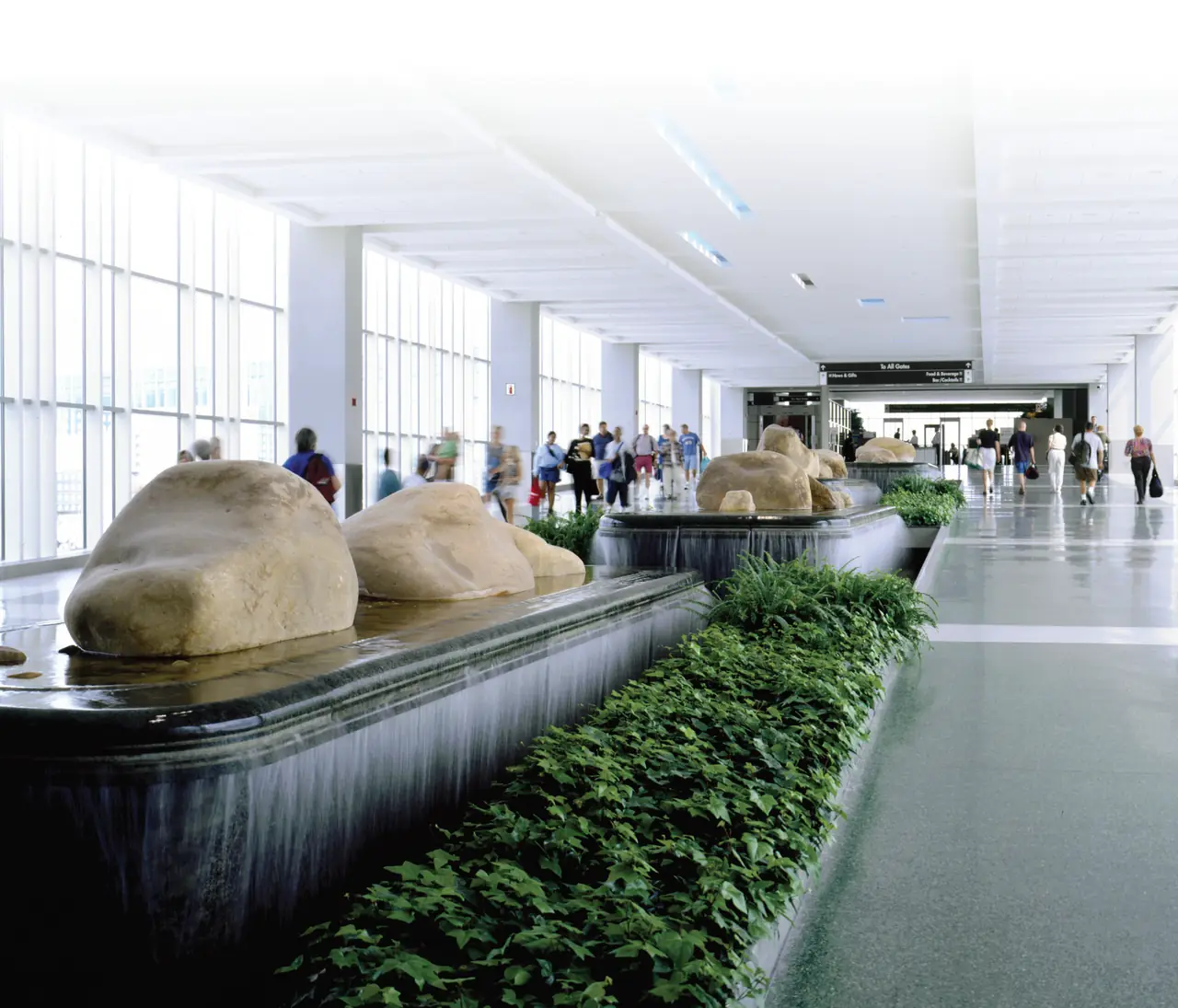
Photo: Jackmcafee, CC BY-SA 3.0 / Wikimedia Commons
Short answer
Airlines choose new routes; airports recruit them with demand data and incentives. McGhee Tyson (TYS) publishes a program, effective July 1, 2026, that waives landing fees and pays up to $100,000 in marketing for a new airline's daily route, or up to $75,000 for an airline already at TYS. Seasonal and less-than-daily routes qualify at negotiated, reduced levels. The FAA bars airports from paying airlines cash subsidies out of airport revenue.
Interactive
What TYS would offer for a PIT route
What TYS's published program offers
- Landing feesWaived for the whole incentive period
- Incentive periodUp to 12 months
- Destination tierPriority I: one of TYS's top 50 origin-and-destination markets
- Paid fromParking and terminal concession income, not airline fees
From the Metropolitan Knoxville Airport Authority's New Air Service Partnership Program, version 2.0, adopted June 17, 2026 and in effect through December 31, 2029. Priority I means one of TYS's top 50 origin-and-destination markets in DOT data; Pittsburgh ranks #34 among Knoxville's domestic markets in DOT's Consumer Airfare Report, so we read PIT as Priority I. The airport decides each case, and its board approves every incentive.
Visual
The steps, from the program
- Demand
The airport and airline study DOT market data. Pittsburgh to Knoxville averages about 40.3 passengers a day, all connecting.
- The airline asks
An airline seeking incentives sends a written request at least 60 days before service starts.
- The board approves
MKAA's Board of Commissioners approves each incentive, within that year's budget.
- Marketing plan
The airline submits an advertising and marketing plan; the airport pays approved invoices or reimburses them.
- Flights and fee waivers
Landing fees on the new route are waived for the incentive period. Frequency increases on routes TYS already has don't qualify.
Context
Other ways routes get funded
Federal grants
DOT's Small Community Air Service Development Program offered up to $12 million for FY 2024 awards, for airports no larger than a small hub. Knoxville received a $500,000 grant in 2003 that was later terminated, per a GAO review.
FAA rules
Under the FAA's December 2023 policy, airports can waive fees and fund marketing for new service for a limited time, but cash payments from airport revenue count as revenue diversion.
Pittsburgh's side
We couldn't find a published air service incentive program on Pittsburgh International's site. The Knoxville program applies to flights at TYS whichever airline flies them.
Evidence from travelers
Programs like these reward routes with proven demand. That is what pledges add: names, towns and trips an airline can count.
The airport has an incentive ready. Airlines need to see the travelers. Pledge.
… travelers have pledged · about … round trips a year
Add your pledge →Questions
How does an airport get a new nonstop route?
What would Knoxville offer an airline to fly to Pittsburgh?
Does the program cover twice-weekly or seasonal flights?
Can an airport just pay an airline to fly a route?
Sources
- Metropolitan Knoxville Airport Authority: New Air Service Partnership Program, version 2.0, effective July 1, 2026 (PDF)
- McGhee Tyson Airport: documents and statistics
- Federal Register: FAA Policy Regarding Air Carrier Incentive Program (Dec 7, 2023)
- Grants.gov: Small Community Air Service Development Program, FY 2024 (Assistance Listing 20.930)
- GAO-06-21: Small Community Air Service Development Program, Appendix IV grant list
- U.S. DOT Consumer Airfare Report, Table 6: city-pair markets averaging 10+ passengers a day (data through 2026 Q1, queried Oct 19, 2026)