The route math
What it takes to fill a nonstop
Airlines add a route when they expect to fill the seats. Pick a plane and a schedule and see how many people a Pittsburgh to Knoxville nonstop needs, next to how many already make the trip.
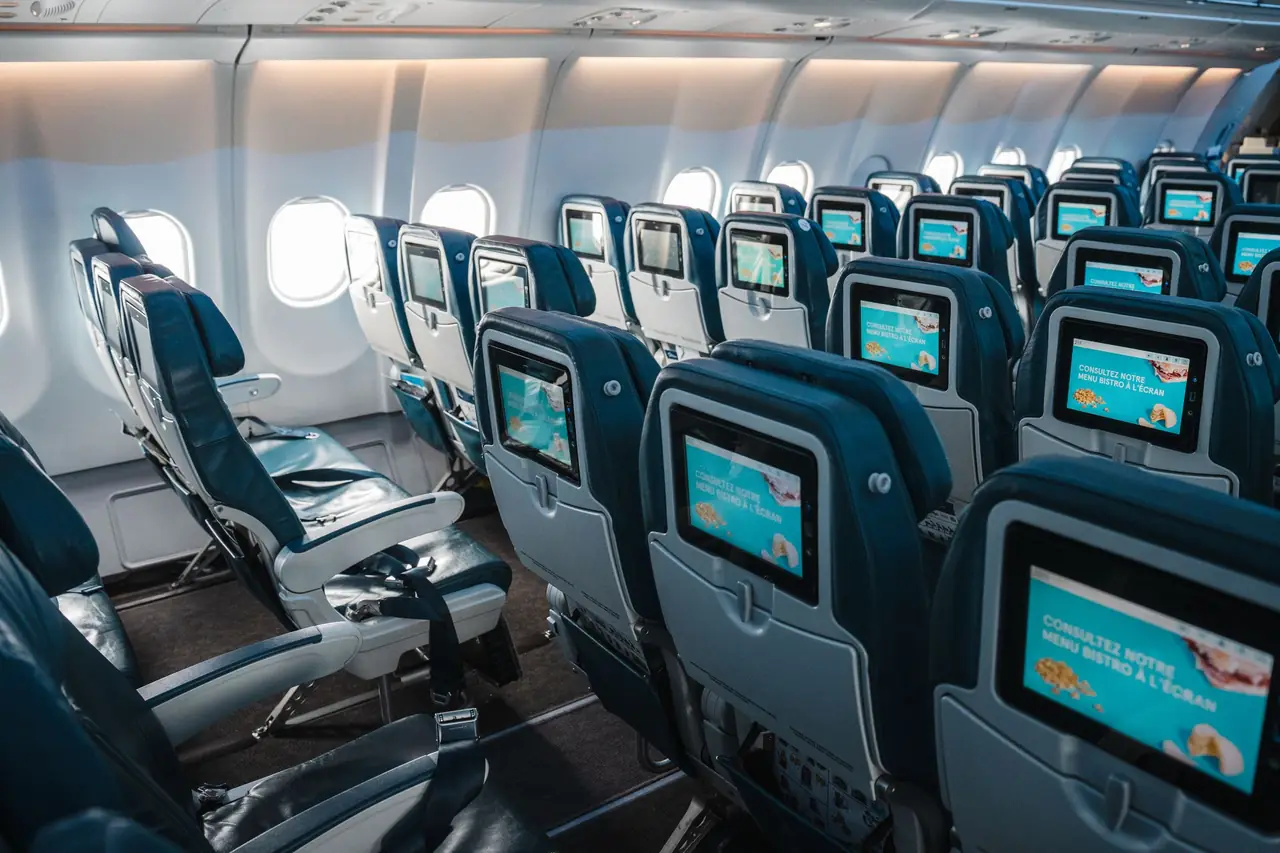
Photo: Pexels
Short answer
A twice-weekly nonstop on a 177-seat Allegiant A320, 85% full, needs about 86 passengers a day averaged across the week, both directions, or about 15,647 round trips a year. Today about 40.3 a day already fly the market on connections (U.S. DOT). Smaller planes or fewer flights need fewer.
Interactive
Run the numbers
Pledged so far: … travelers, about … round trips a year.
Passengers a day the flights need, both directions
Today's market, every trip connecting
Round trips a year to fill a year-round schedule
Seats from each airline's fleet page or annual report. "Passengers a day" spreads the week's seats over seven days, so a twice-weekly route counts as a smaller daily number. Load factor is your input; 85% is an example. The pledge count loads live from the campaign total.
Visual
One plane, two schedules
Reading it
How a nonstop grows the market
Nonstops create trips. When Allegiant flew Pittsburgh to Knoxville in summer 2019, DOT counted 39.7 passengers a day in Q3, up from 30.8 the year before, and Allegiant was the market's lowest-fare airline in Q2 at an average of $63.44.
Leisure airlines fly less than daily. A twice-weekly schedule is how Allegiant flew the route in 2019, and it is how many of its Knoxville routes run today. That makes the bar much lower than a daily flight.
The airport helps. TYS publishes an incentive program that waives landing fees and funds marketing for new routes. See what it offers for PIT.
Close the gap
Every pledge is a seat an airline can count.
Add the round trips you'd fly. The total goes to the air-service teams at both airports.
Photo: Pexels
Questions
How many passengers does a PIT to TYS nonstop need?
How many people fly between Pittsburgh and Knoxville now?
Why do pledges matter if DOT already counts passengers?
Where do the seat counts come from?
Sources
- U.S. DOT Consumer Airfare Report, Table 6: city-pair markets averaging 10+ passengers a day (data through 2026 Q1, queried Oct 19, 2026)
- Allegiant: aircraft and airports (seat counts)
- Southwest Airlines 2025 Form 10-K, Item 2 (fleet and seats)
- Delta: Airbus A220-100
- Delta: CRJ-900
- American Airlines: planes and seat counts
- United Airlines 2025 Form 10-K, Item 2 (fleet and seats)